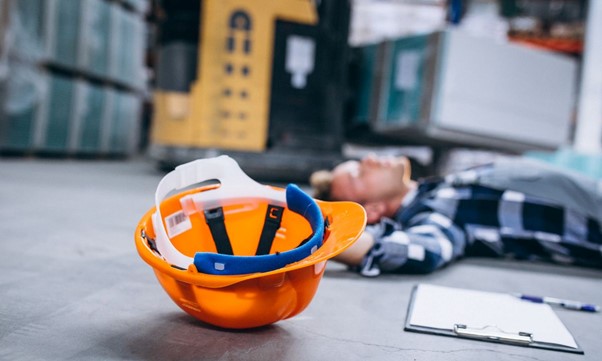
No matter where you work—an office, a construction site, a restaurant, or a warehouse—every workplace has some level of risk. Many workers don’t think about these risks until an accident happens.
But understanding what dangers exist can help you stay safer and avoid injuries. Learning about the common types of workplace hazards can also help you recognize problems before they turn into accidents.
Workplace hazards may not always be obvious. Some risks build up slowly over time, while others happen suddenly. The more you know, the easier it is to protect yourself and help keep your workplace safe for everyone.
1. Physical Hazards
Physical hazards are some of the most noticeable dangers at work. These include:
- Wet floors
- Loose cables
- Heavy machinery
- Loud noise
- Falling objects
These hazards can lead to slips, trips, falls, cuts, and even serious injuries. Even simple things like cluttered walkways can create big problems if not taken seriously.
Being aware of your surroundings and reporting unsafe conditions can help prevent accidents.
2. Ergonomic Hazards
Ergonomic hazards happen when your body is forced into awkward positions or repetitive movements. Examples include:
- Sitting at a poorly set-up desk
- Lifting heavy boxes incorrectly
- Repeating the same motion for hours
- Standing for long periods without support
These hazards can cause injuries like back pain, muscle strain, or joint problems. Taking breaks, using proper posture, and using ergonomic equipment can help reduce these risks.
3. Chemical Hazards
Some workplaces use chemicals that can be harmful if they’re not handled correctly. These dangers include:
- Cleaning products
- Paints and solvents
- Pesticides
- Fuel or industrial chemicals
Exposure can happen through breathing, touching, or accidental spills. Symptoms can range from skin irritation to serious respiratory problems.
Proper training, protective gear, and good ventilation are important for staying safe around chemicals.
4. Biological Hazards
Biological hazards are common in healthcare, labs, and cleaning environments. These include:
- Bacteria
- Viruses
- Mold
- Blood and bodily fluids
These hazards can cause infections or illnesses. Wearing gloves, washing hands, and using protective equipment can reduce the risk of exposure.
5. Electrical Hazards
Electrical hazards can be dangerous and even life-threatening. Some examples are
- Exposed wires
- Faulty outlets
- Overloaded circuits
- Working near power lines
These hazards can lead to shocks, burns, or fires. Only trained workers should handle electrical problems, and equipment should be inspected regularly.
6. Fire Hazards
Fire hazards can be found in almost every workplace. They include:
- Flammable materials
- Blocked fire exits
- Damaged equipment
- Overheated machines
Knowing where fire extinguishers and emergency exits are located can make a big difference in an emergency.
7. Workplace Stress and Fatigue
Not all hazards are physical. Stress and fatigue can also affect your safety. Long hours, pressure, and lack of rest can lead to mistakes or reduced focus, which increases the risk of accidents.
Taking breaks, speaking up about workload concerns, and practicing good self-care can help.
Conclusion
Staying safe at work starts with knowing what dangers are around you. When you pay attention, follow safety steps, and speak up about anything unsafe, you help prevent accidents. Even small actions—like keeping your space clean or taking breaks—can make a big difference. By staying aware and being careful, you help create a safer workplace for yourself and everyone around you.
Key Takeaways
- Every workplace has hazards, and knowing them makes you safer.
- Physical, ergonomic, chemical, biological, electrical, and fire hazards are among the most common.
- Even non-physical hazards like stress and fatigue can lead to accidents.
- Reporting unsafe conditions and using proper safety practices can help prevent injuries.
- Staying aware and informed is one of the best ways to protect yourself and your coworkers.
Guest writer